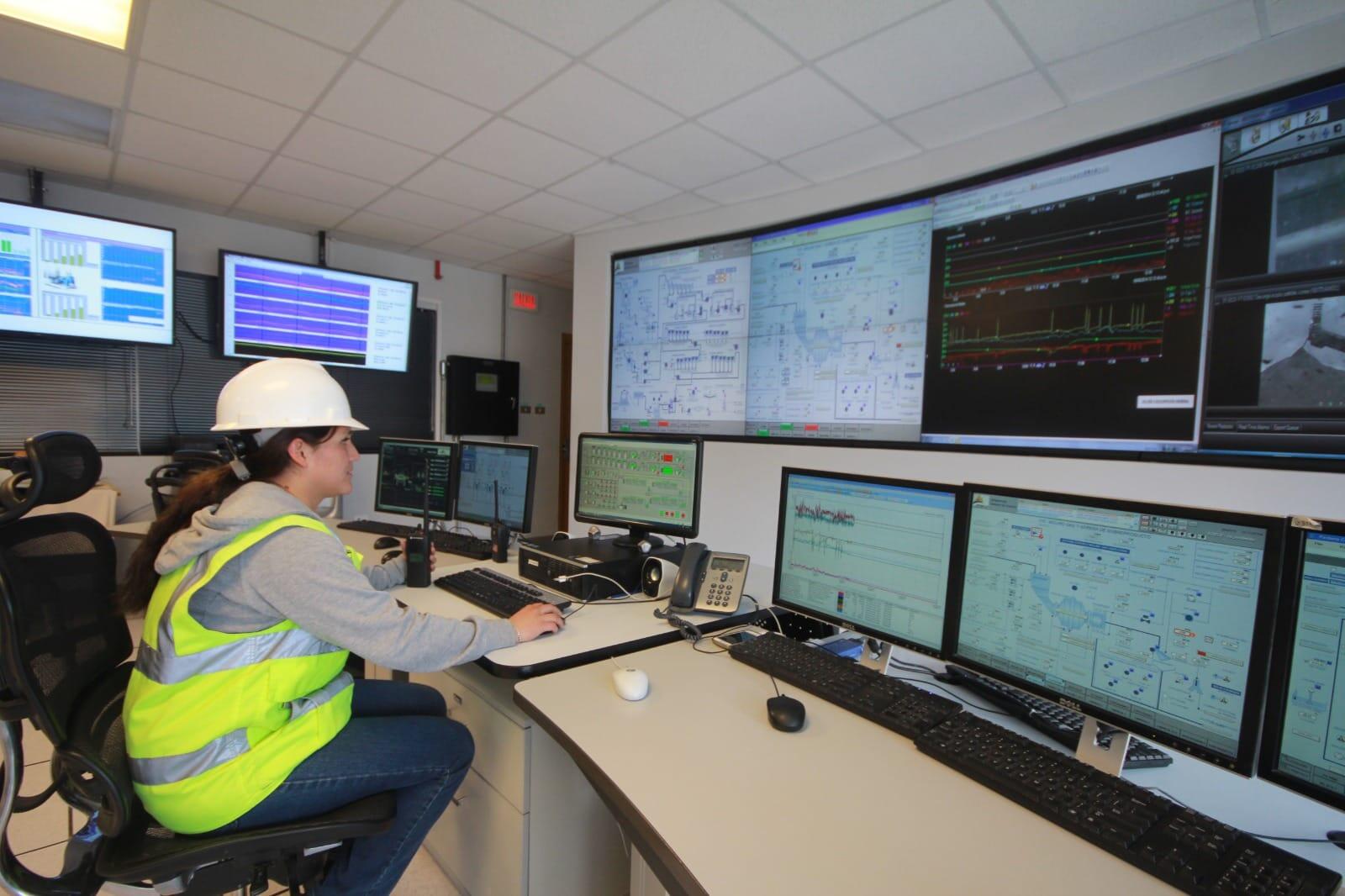
The Transformative Power of Technology in Urban Mobility
The modern urban landscape is evolving rapidly, and with it, the way we navigate through our cities. As cities grow and become more congested, the demand for innovative transportation solutions has surged. This article delves into how technology is redefining urban mobility, making it smarter, greener, and more efficient.
The Current State of Urban Mobility
Urban mobility encompasses a range of transportation services, from public transit systems to ride-hailing applications, electric scooters, and anticipated integrated transportation models. According to a 2022 report by McKinsey, the global mobility market is expected to generate over $7 trillion by 2030, demonstrating an explosive growth in demand.
| Transportation Mode | Market Size (2022 estimated) | Projected Growth Rate (CAGR 2022-2030) |
|---|---|---|
| Ride-Hailing Services | $100 billion | 15% |
| Public Transportation | $300 billion | 6% |
| E-Scooters and Bike Shares | $30 billion | 20% |
| Autonomous Vehicles | $50 billion | 30% |
This robust growth signifies not just a shift in consumer preferences but also a reflective understanding of the pressing need for sustainability. As cities grapple with air pollution, and populations swell, technology-driven solutions are emerging.
Technological Innovations Reshaping Urban Transport
Smart Mobility Solutions
At the forefront of this transportation revolution is the integration of digital technology into mobility infrastructure. Smart mobility encompasses a wide array of solutions designed to optimize and streamline transportation processes. Here are a few key technological innovations making a significant impact:
- AI-Driven Traffic Management: Real-time analytics from AI systems managing traffic light timings and congestion points significantly reduce wait times and improve traffic flow.
- Multi-Modal Transportation Apps: Apps that incorporate various transportation modes (public transit, rideshares, e-scooters) allow seamless journey planning. Users are gaining access to more efficient commuting alternatives.
- Electric and Autonomous Vehicles: The urban landscape is being transformed by electric and autonomous vehicle technology, reducing emissions and changing consumer habits.
Case Study: WT App—Redefining Travel Experiences
A prime example of innovation in urban mobility is the WT app. This multi-modal app facilitates users in navigating their cities with unprecedented ease. By aggregating various transport options, the app enables seamless transitions among multiple transportation modes, often in real-time. With features like predictive analytics, users can efficiently plan their journeys based on current traffic conditions, personal preferences, and environmental impact. For those interested in shaping their commuting experience, try the WT app online and explore its capabilities for modern urban navigation.
The Road Ahead: Challenges and Opportunities
While the future of urban mobility appears promising, several challenges need to be addressed:
- Infrastructure Adaptation: Cities must invest in infrastructure that supports new technologies, including charging stations for electric vehicles and dedicated lanes for autonomous vehicles.
- Privacy and Security Concerns: As mobility applications collect vast amounts of data, ensuring user privacy and data security becomes paramount.
- Integration of Services: The potential for a holistic transportation experience hinges on the integration of services and infrastructure across different modes and public-private partnerships.
In conclusion, the intersection of technology and urban mobility presents a thrilling avenue for innovation. Stakeholders—from city planners to technology developers and urbanites—must collaborate to steer this transformation toward a more connected, sustainable future. The challenge lies in thriving amidst change and leveraging technology to create efficient urban mobility solutions.